May 21, 2026
Reliable plumbing is easy to take for granted until a slow drain, unpleasant odor, or backup interrupts daily life. Your home’s drains, fixtures, and main sewer line work together to move wastewater away from the property safely and efficiently. When that system is neglected, small issues can turn into messy, expensive problems that affect bathrooms, kitchens, laundry rooms, basements, and outdoor areas.
Routine maintenance helps homeowners reduce the risk of clogs, leaks, water waste, and emergency repairs. By paying attention to warning signs, using drains properly, and scheduling professional service when needed, you can keep your plumbing system working more dependably. A proactive approach also gives you more control over repair costs and helps protect your home from avoidable damage.
Checking Drains Regularly
One of the simplest ways to maintain your plumbing system is to pay attention to how drains perform. Sinks, tubs, showers, and floor drains should empty smoothly without gurgling, bubbling, or lingering odors. If water drains slowly or backs up after use, it may be a sign of buildup in the pipe. Hair, grease, soap residue, food particles, and debris can collect over time and restrict water flow. Paying attention to these small warning signs can help homeowners respond quickly before a more serious plumbing problem develops within the drainage system.
Regular observation can help you catch problems before they become severe. Homeowners should avoid ignoring repeated slow drains, especially if more than one fixture is affected at the same time. Multiple slow drains may point to a deeper sewer concern rather than a simple localized clog. Calling a professional early can help identify the source of the issue and prevent more serious plumbing disruptions. Early maintenance may also reduce the risk of backups, water damage, unpleasant odors, and costly emergency plumbing repairs later on.
Preventing Grease Buildup
Kitchen drains often face heavy use, making them one of the most common places for clogs to form. Grease, cooking oil, butter, sauces, and food scraps may seem harmless when rinsed down the sink, but they can cool, harden, and stick to pipe walls. Over time, this buildup narrows the drain opening and traps additional debris, creating stubborn blockages. As the buildup continues, water may begin draining more slowly and place additional strain on the plumbing system throughout the kitchen and nearby fixtures.
To protect your plumbing, pour grease into a container and throw it away after it cools. Use sink strainers to catch food particles, and wipe greasy pans before washing them. Even if you have a garbage disposal, it should not be treated like a trash can. Good kitchen habits help reduce strain on the drain system and keep wastewater moving properly. Preventive maintenance in the kitchen can also help reduce the likelihood of major clogs that may eventually affect the main sewer line.
Flushing Fixtures Properly
Toilets are designed to handle human waste and toilet paper only. Items such as wipes, paper towels, cotton swabs, hygiene products, dental floss, and diapers should never be flushed. Even products labeled as flushable can contribute to blockages because they may not break down quickly enough inside plumbing lines. Repeated flushing of improper materials can increase the risk of clogs, backups, and costly plumbing repairs that disrupt normal household routines.
According to the U.S. EPA, a continuously running toilet may waste more than 200 gallons of water each day. That is why toilet maintenance should include checking for constant running, weak flushing, leaks around the base, and repeated clogs. Addressing these problems quickly can help conserve water, reduce utility costs, and prevent unnecessary stress on the plumbing system. Prompt attention to toilet issues may also help reduce wear on connected pipes and lower the risk of future sewer-related problems.
Inspecting Pipes and Fixtures
Visible plumbing components can reveal early signs of trouble. Look under sinks, around toilets, near water heaters, in basements, and around laundry connections for dampness, stains, corrosion, or unusual smells. Small leaks may seem minor at first, but they can damage flooring, cabinets, walls, and structural materials if left untreated. Catching these problems early can help homeowners avoid larger repairs and reduce the risk of hidden moisture damage spreading throughout the home.
Outdoor areas should also be watched for warning signs. Soft spots in the yard, unusually green patches of grass, standing water, or foul odors can indicate underground plumbing problems. If these signs appear near the main sewer line, professional inspection is important. Early detection can reduce the risk of backups and help determine whether cleaning, repair, or replacement is needed. Prompt inspections may also help prevent more extensive property damage and unnecessary excavation costs later.
Scheduling Professional Cleaning
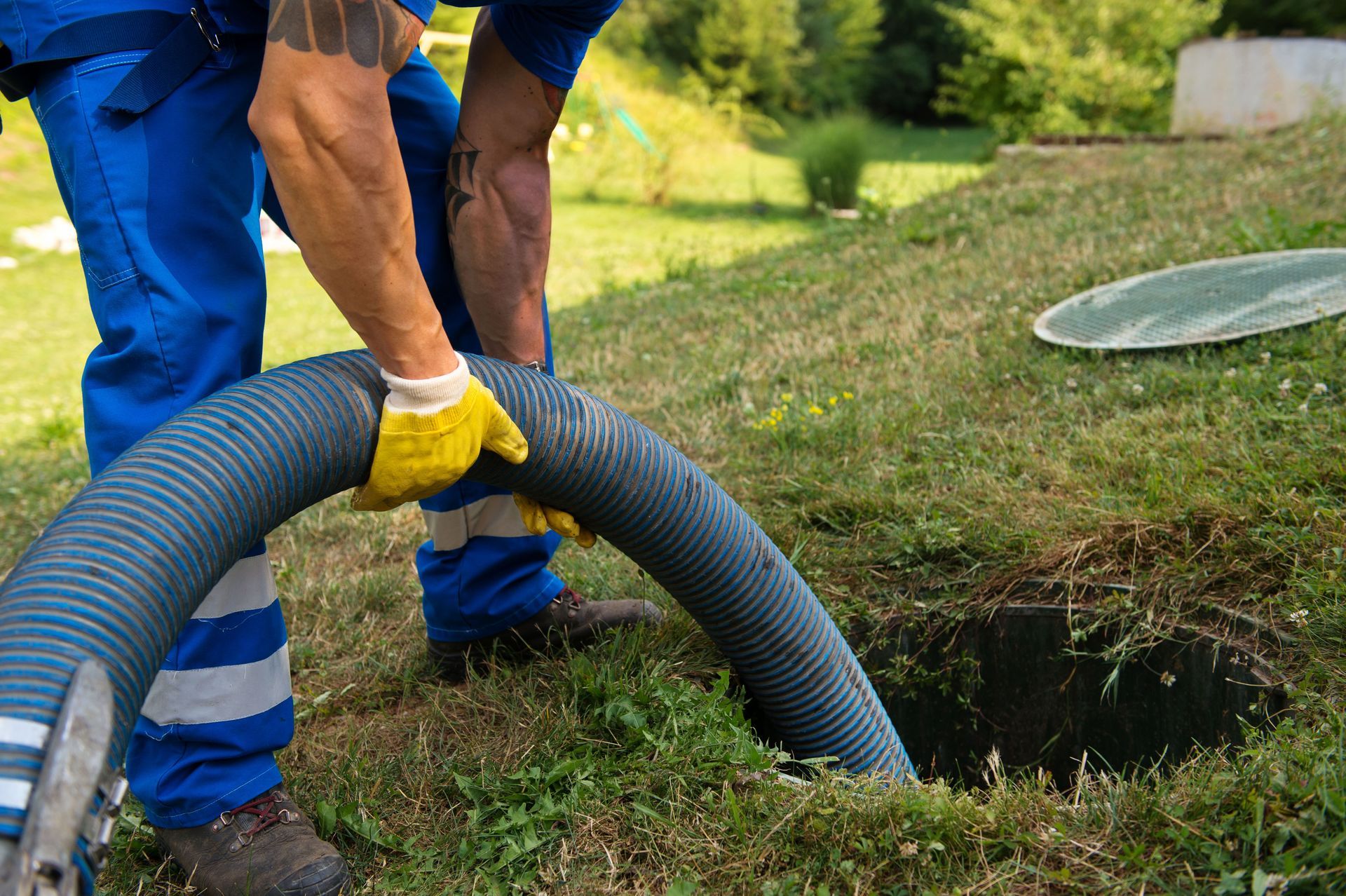
Even careful homeowners can experience buildup inside their plumbing lines. Professional drain cleaning can remove debris that household methods cannot reach. Technicians may use specialized tools, cameras, or cleaning equipment to locate blockages and restore proper flow. This is especially helpful for recurring clogs or drains that never seem to work as well as they should.
Professional service can also help identify problems beyond simple buildup. Tree roots, pipe bellies, cracks, corrosion, and collapsed sections can all affect sewer performance. With the right equipment, a technician can evaluate the condition of the line and recommend the best next step. Routine cleaning can be a smart way to reduce emergency calls and keep the system more reliable.
Managing Tree Root Risks
Tree roots naturally seek moisture, which makes underground plumbing lines vulnerable if small cracks or loose joints are present. Once roots enter a pipe, they can grow thicker and trap debris, leading to slow drainage or backups. Older homes and properties with mature trees may be especially at risk.
Homeowners should be mindful of where trees and large shrubs are planted. If you are planning landscaping improvements, avoid placing deep-rooted plants near underground plumbing lines. If root intrusion is already suspected, professional camera inspection can confirm the problem. Addressing root growth early can help protect the sewer system from more extensive damage.
Watching for Backup Warning Signs
A plumbing backup rarely happens without warning. Common signs include gurgling toilets, water backing up into tubs or showers, foul drain odors, repeated clogs, and water appearing around floor drains. If fixtures act strangely after running the washing machine, dishwasher, or shower, the main line may be struggling to move wastewater away from the home.
When these signs appear, avoid using multiple fixtures until the problem is checked. Continuing to run water can make a backup worse and increase cleanup needs. A professional can determine whether the issue is caused by a clog, root intrusion, damaged pipe, or another sewer problem. Fast action can help limit damage and restore normal plumbing function.
Maintaining Plumbing Year-Round
Seasonal changes can affect plumbing performance. Heavy rain may overwhelm drainage areas, freezing temperatures can stress pipes, and increased household activity during holidays can place extra demand on drains and fixtures. Routine maintenance throughout the year helps prevent problems during times when your plumbing system is working harder than usual.
Homeowners can support year-round performance by keeping drains clear, repairing leaks promptly, insulating vulnerable pipes, and scheduling inspections when warning signs appear. Preventive care is often easier and less costly than emergency repair. A consistent maintenance routine helps your home’s plumbing stay dependable through changing weather and daily use.
Keeping your plumbing system reliable starts with simple habits and timely professional support. By checking drains, preventing grease buildup, flushing fixtures properly, inspecting pipes, scheduling cleanings, managing tree roots, watching for backup signs, and maintaining plumbing year-round, you can reduce the risk of costly problems. Regular sewer maintenance protects your home, improves daily convenience, and helps wastewater move safely away from your property. For dependable plumbing support and professional drain care, contact Top Notch Sewer & Drain Cleaning, LLC.