September 23, 2026
Understanding the importance of septic tank maintenance is crucial for homeowners. A well-planned pumping schedule can prevent costly repairs and maintain system efficiency. This article will guide you through creating the ideal timetable for your septic pumping needs.
Understanding Your Septic System's Needs
The Basics of a Septic System
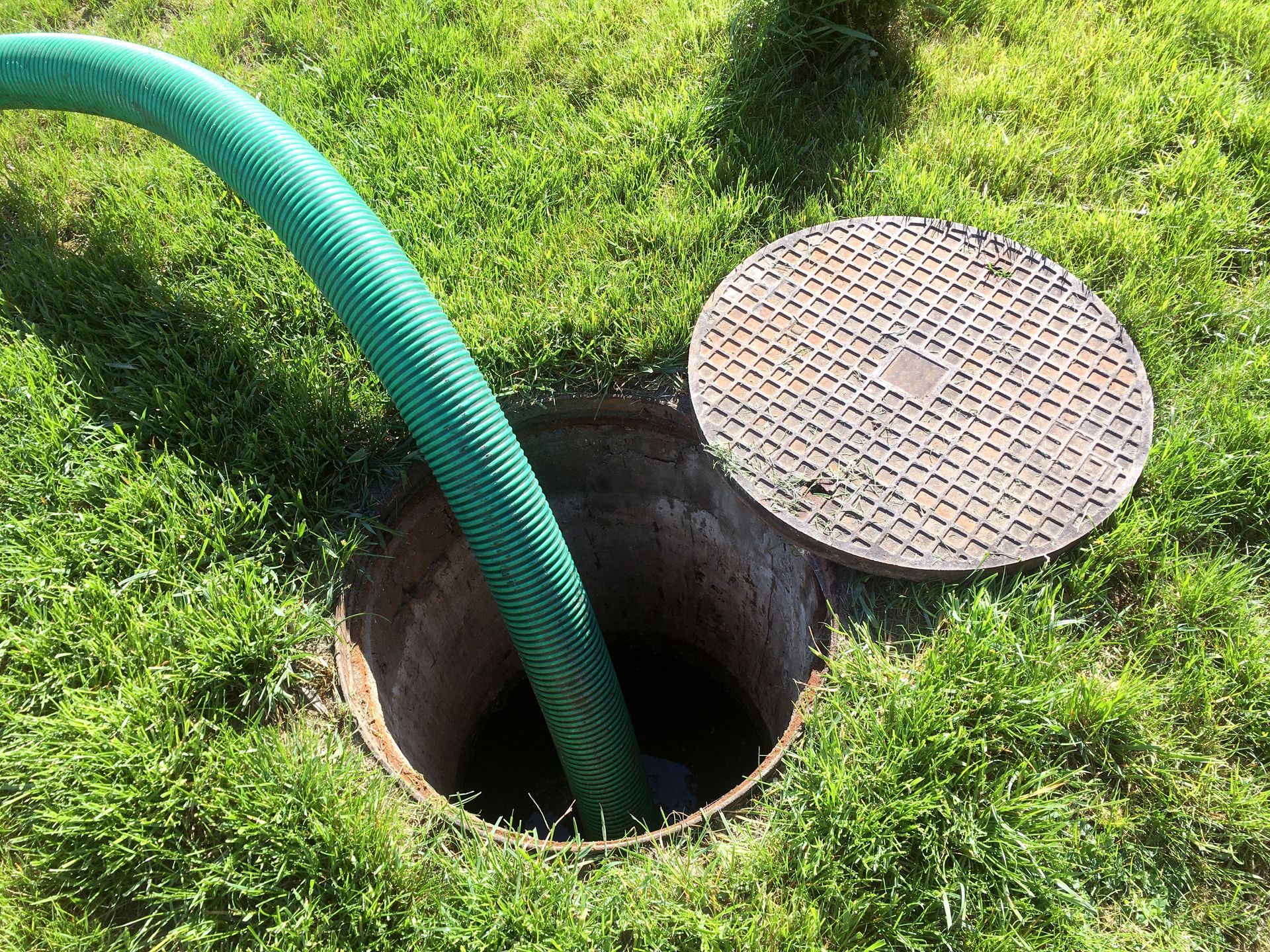
A septic system is an underground wastewater treatment structure commonly used in rural areas without centralized sewer systems. It utilizes a combination of nature and proven technology to treat wastewater from household plumbing produced by bathrooms, kitchen drains, and laundry. A typical septic system consists of a septic tank and a drain field or soil absorption field. The tank is a watertight container made of concrete, fiberglass, or polyethylene with a projection to the ground surface that receives and partially treats wastewater. All household wastewater flows into the tank, where it remains long enough to allow solids to settle into a sludge layer and oils/grease to float to the surface as scum.
How to Determine Your System's Capacity
The capacity of your septic system is crucial in determining how frequently you need to schedule pumping. The size of the septic tank is usually dictated by the number of bedrooms in a home, assuming a certain level of household water use. Knowing this helps in estimating the volume of wastewater your system can manage before needing maintenance. Another factor that can determine system capacity is the soil's absorption rate in the drain field. Improperly balancing these aspects can lead to system failure, prompting the necessity for a proactive pumping schedule.
Signs Your Septic System Needs Attention
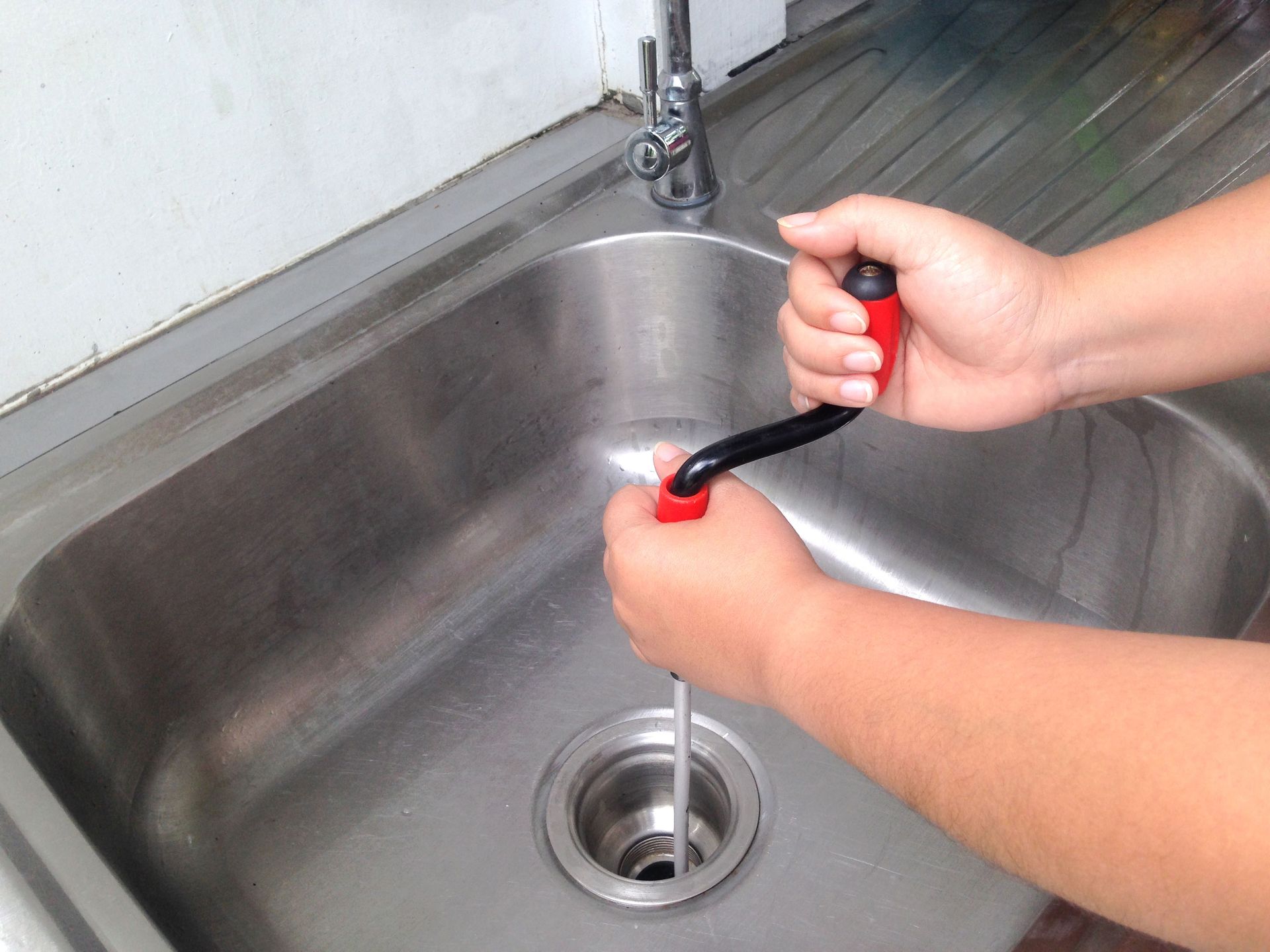
Several signs can indicate your septic system requires maintenance beyond routine pumping. Slow drains, including in sinks, toilets, and bathtubs, can signal that the tank is getting full. Persistent but unexplained odors near the tank or drain field are also red flags. More overt signs include patches of grass that are noticeably greener than the surrounding lawn or standing water near the system area. If these signs are present, it may already be time to contact a professional for an assessment, reinforcing the role of regular inspections.
Importance of Regular Maintenance
Regular maintenance is the backbone of a healthy septic system and entails more than just pumping out solids from the septic tank. According to EPA guidelines, scheduling septic pumping every three to five years is generally recommended for proper system maintenance. This timeframe can vary based on system size and household water usage, but sticking to a regular schedule helps prevent system overload and failure. Proactive maintenance not only extends the lifespan of the system but also protects the surrounding environment from potential contamination. Thus, developing and adhering to a well-planned schedule is essential for system reliability and efficiency.
Factors Influencing Your Septic Pumping Schedule
Household Size and Water Usage
The size of the household is a primary determinant affecting how often a septic tank should be pumped. More occupants typically result in higher water usage, leading to quicker accumulation of waste materials within the system. Activities like daily showers, frequent laundry loads, and dishwashing amplify this effect. Monitoring water usage allows homeowners to predict more accurately when the system might need servicing. Adjusting the frequency of pumping according to the level of household activities ensures that the septic system remains efficient and minimizes the risk of overflow.
Types of Waste Processed
The types of waste entering the septic system also significantly influence maintenance schedules. Organic and biodegradable materials, like food waste and human waste, are generally manageable by the system's bacteria. Non-biodegradable materials, such as plastic, diapers, and feminine hygiene products, can quickly accumulate to troublesome levels. Chemical wastes, like household cleaners and pharmaceuticals, may disrupt the bacterial balance needed for decomposition. By understanding the types of waste processed, homeowners can adjust their pumping schedule to counter potential buildups and preserve system health. Lesser input of non-biodegradable substances extends the effective operational cycle of the septic system.
System Age and Condition
The age and current condition of a septic system can determine its maintenance needs. Older systems, particularly those over twenty years old, may have outdated designs or wear that can influence their operational efficiency. Corroded or cracked tanks, compromised drain fields, and outdated components often require more frequent inspections and servicing. Likewise, a system that has not been properly maintained in past years may need closer attention to avoid failure. Therefore, incorporating the system's age and condition into planning ensures timely intervention before minor issues escalate into costly repairs or replacements.
Regional Regulations and Environmental Considerations
Local regulations and environmental conditions can shape the frequency and methodology of septic pumping. Some states or locales impose specific septic maintenance laws and schedules to ensure community health and environmental safety. Other aspects, such as the water table level and soil composition, also dictate how often inspections and pumping should occur. For example, regions with clay-rich soils may experience more rapid drain field saturation, leading to more frequent servicing. Staying informed of local guidelines and geological characteristics allows for a compliant and environmentally conscious septic management plan.
Calculating the Right Pumping Frequency
Industry Standards and Guidelines
Industry standards provide a useful framework for general septic pumping frequency, yet many systems require customization. While the EPA recommends scheduling septic pumping every three to five years, household size, system usage, and specific site conditions can alter this timeline. Industry guidelines suggest regularly measuring and monitoring settling and scum layers to determine actual needs. General standards help establish a baseline, but understanding system specifics can lead to adjustments that prevent unnecessary costs. Consequently, industry standards combined with individual assessments contribute to an optimal pumping schedule tailored to unique system characteristics.
Using Septic Tank Pumping Frequency Charts
Septic tank pumping frequency charts offer a simplified method for determining appropriate maintenance intervals based on occupancy and tank size. These resources typically consider household size, estimating waste production and tank capacity to suggest an optimal schedule. Such tools provide visual assurance and help homeowners create maintenance reminders more efficiently. Relying on these charts aligns with industry recommendations, helping to ensure safe, adequate, and timely maintenance. They also demonstrate how nuanced factors—like garbage disposal usage—affect pumping frequency predictions, advocating for informed and precise planning.
Technology and Tools to Monitor Your System
Advances in technology have introduced effective tools to aid homeowners in managing their septic systems. Sensor-based systems can monitor tank levels remotely, alerting users when it’s time to schedule pumping. Smart toilets and flow meters allow for tracking waste and water usage, enabling real-time data analysis for more precise maintenance planning. These technologies empower homeowners to maintain consistent check-ins on their systems, preventing untimely issues from arising. Incorporating these innovative tools into the maintenance strategy facilitates an interconnected approach to septic system management, aligning with modern sustainable practices.
Professional Inspections and Assessments
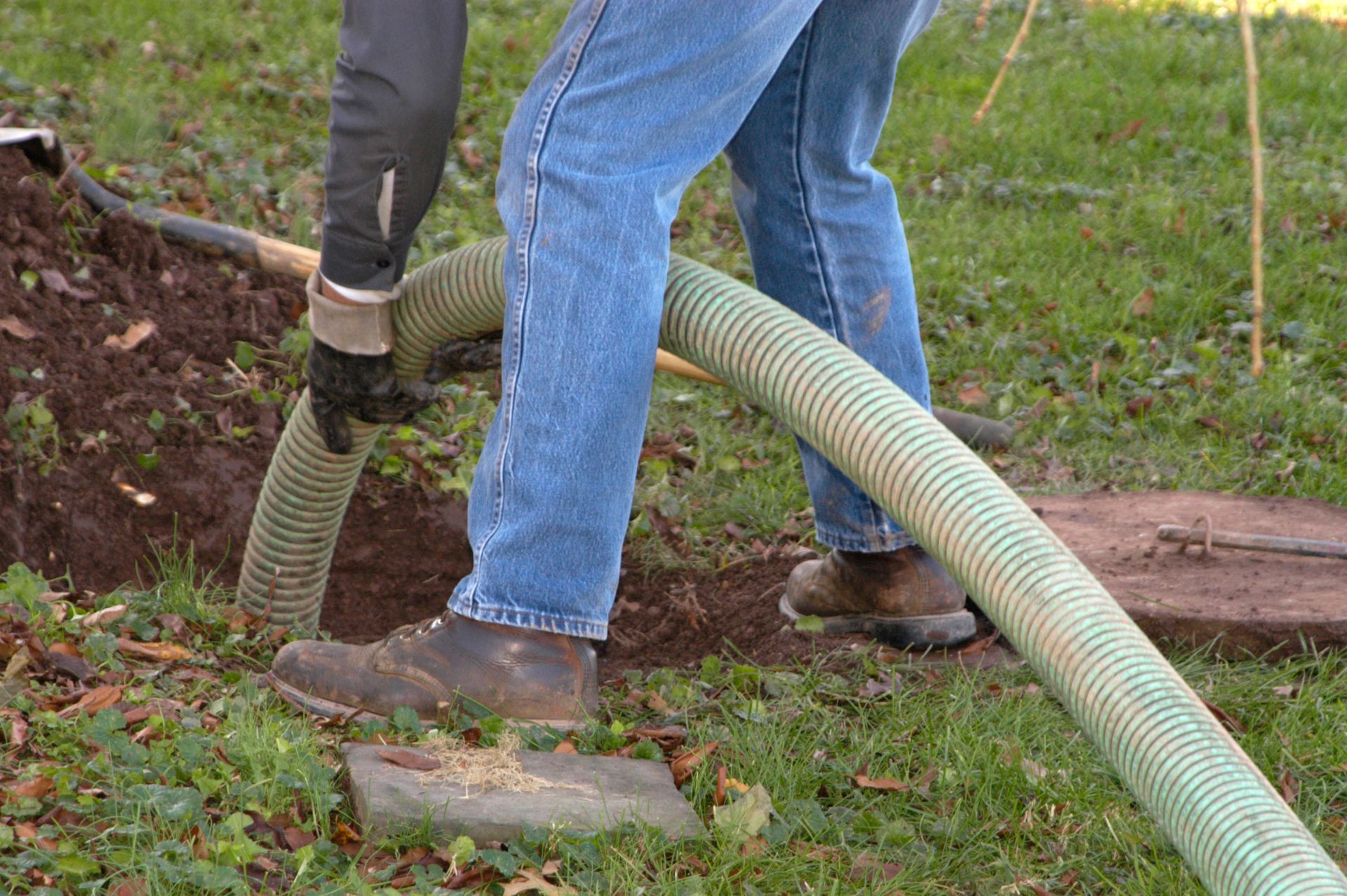
Regular professional evaluations play an integral role in determining the appropriate pumping frequency. Technicians provide expert assessments of system condition, emerging issues, and necessary interventions. Their insights can fine-tune household maintenance strategies, enabling proactive adjustments when inefficiencies are detected. Also, professional inspections may uncover system aspects that the homeowner might overlook, providing comprehensive recommendations. A scheduled relationship with a septic service provider guarantees that the homeowner receives skilled direction in optimizing a pumping schedule, ultimately enhancing system reliability.
Creating a perfect septic pumping schedule ensures the longevity and efficiency of your septic system. By understanding your system's needs, choosing the right service provider, and implementing a tailored plan, you can avoid unexpected expenses and maintain your property’s value. Regular evaluation and adjustments will keep your septic system in optimal condition. Taking a proactive and informed approach not only saves money but also contributes to the sustainability of both municipal infrastructure and the surrounding environment. Upholding the integrity of your septic system underscores a conscientious commitment to resource and waste management. Reach out to Top Notch Sewer & Drain Cleaning, LLC today to see how we can help you!