July 20, 2026
Understanding how weather conditions, particularly heavy rain, impact your septic system is critical for maintaining its function and longevity. This article explores the various ways in which heavy rainfall can affect septic systems, offering insights and solutions to common issues. Homeowners relying on septic systems must be aware of how these systems handle environmental stresses, especially those associated with excess rainfall. Proactive measures and regular maintenance, using products like septic cleaners, can prevent costly repairs and operational failures.
Understand How Heavy Rain Affects Septic Systems
Septic systems operate based on a delicate balance of bacterial activity and physical conditions to treat household wastewater. When heavy rain falls, this balance can be disrupted, leading to significant issues. Excess water can enter the system, overloading it and causing untreated waste to flow back into the home or into the yard. According to AmeriSave, approximately 25% of U.S. homes use septic systems, underscoring the importance of understanding these impacts for a substantial segment of the population.
One immediate effect of heavy rainfall is the increase in water volume the septic tank must accommodate. This sudden influx can reduce the capacity to process household waste, as the tank struggles to keep up with both the rainwater and its usual waste load. Overflow is a real risk, which can lead to leakage or backflow problems in household plumbing. Timely intervention and maintenance, including the use of septic cleaners, can alleviate some of these pressure points by ensuring the system is free of blockages that exacerbate overflow.
Protect Your Drain Field From Saturation
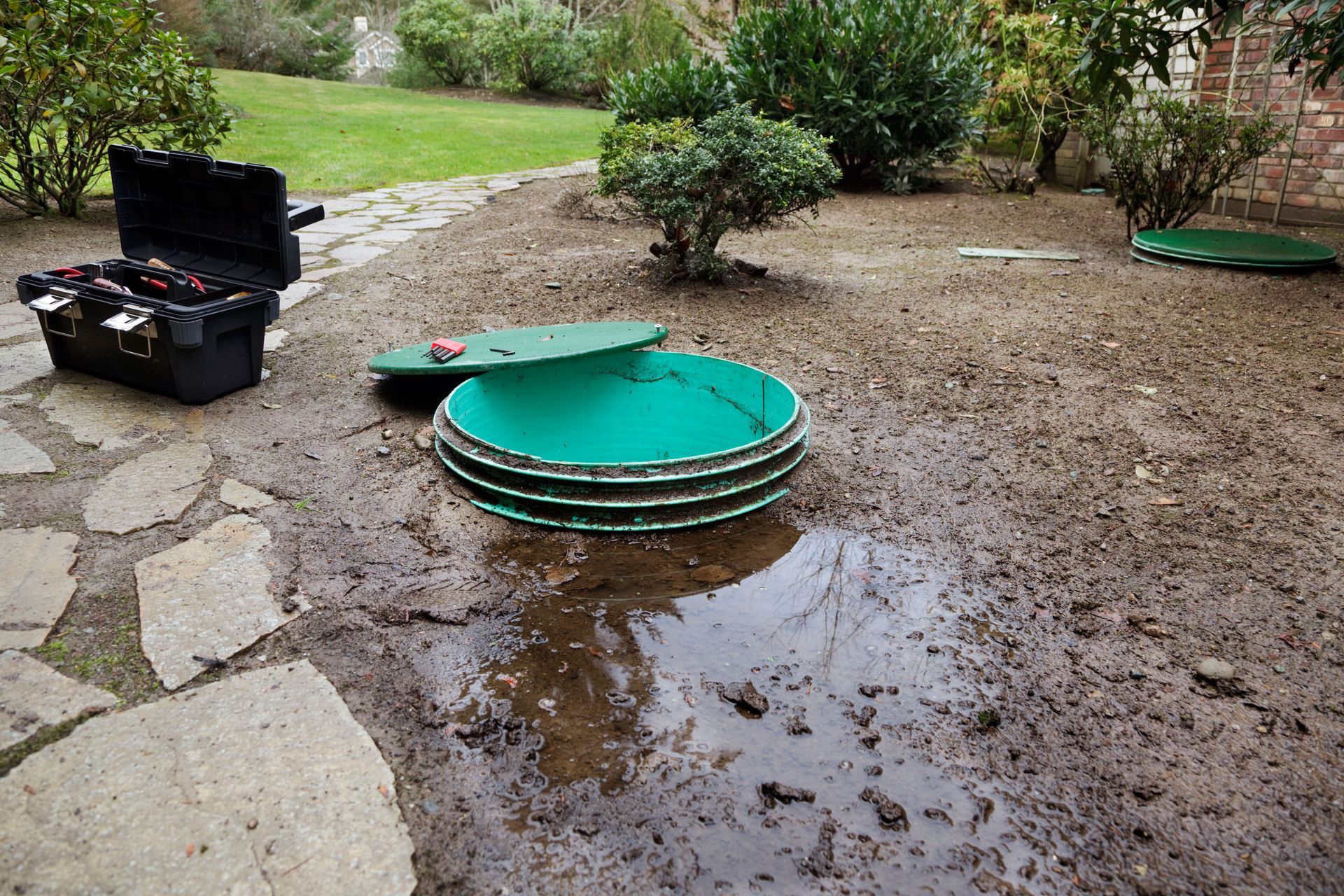
The drain field is an essential component of a septic system, responsible for filtering and dispersing effluent into the soil after it has been processed in the septic tank. During periods of heavy rainfall, the ground surrounding the drain field can become saturated with water, impeding the soil's ability to absorb the system's effluent. This can result in effluent surfacing, causing it to appear in lawns or gardens, which not only creates a nuisance but can also pose serious health risks. Addressing the water saturation issue frequently involves ensuring proper grading around the drain field and may require the installation of berms to direct water away.
Prolonged soil saturation alters the soil texture and composition, reducing its capacity to filter out harmful bacteria and nutrients from the wastewater. In severe cases, this can lead to groundwater contamination, posing a threat to local drinking water supplies and ecosystems. The design and maintenance of the drain field should account for the local climate and soil type, ensuring it can adequately handle periods of intense precipitation. Utilizing septic cleaners can play a role in maintaining good health for the drain field by preventing excess solids from clogging the system.
Prevent Septic Tank Overflow
One of the most immediate consequences of heavy rainfall is the reduced capacity for the septic tank to manage inflow. As rainwater infiltrates the ground, it can seep into the septic system, causing the tank to fill up more rapidly than it normally would. This situation can be particularly challenging for older systems or those not designed to handle high inflow volumes. In such scenarios, timely interventions with septic cleaners can help prevent clogs by ensuring waste moves smoothly through the system.
Overflow presents a significant risk if the septic tank's capacity is exceeded due to prolonged heavy rains. This can lead not only to backups in household drains but also possible spills into the yard, posing health and environmental hazards. Regular pumping schedules can aid in managing tank levels, but in the aftermath of heavy rain, additional measures may be required. It's crucial to monitor system performance closely during extreme weather events to anticipate and address potential problems before they escalate.
Maintain Effective Wastewater Treatment
Excessive rainfall affects not only the septic system's physical capacity but also the biochemical processes essential for wastewater treatment. The introduction of a large volume of rainwater can dilute the concentration of waste in the tank, disrupting bacterial activity critical for the breakdown of organic material. This disruption can lead to less effective treatment of wastewater, increasing the likelihood of contaminants reaching the environment. It's vital to maintain a healthy balance within the tank, and measures such as using appropriate septic cleaners can support bacterial populations in effectively processing waste.
When rainwater overwhelms a septic system, untreated or partially treated waste may bypass the tank, directly entering the drain field. This not only compromises soil health but can also contribute to larger ecological issues, like water pollution. Over time, repeated exposure to excess water can diminish the overall efficacy of the septic system, making any wastewater it processes less reliably clean. Therefore, a proactive approach to managing wastewater treatment efficiency during rainy periods involves maintaining optimal tank conditions and consistent use of septic-enhancing products.
Support Your System With Septic Cleaners
Septic cleaners play a pivotal role in maintaining the efficiency and longevity of a septic system, especially when faced with environmental stresses like heavy rain. These products are formulated to break down solids and promote bacterial growth, helping to keep the system functioning smoothly and preventing blockages. Regular use of septic cleaners can drastically reduce the likelihood of clogs and system backups, which are common problems during times of excessive rain. By enhancing the natural processes occurring within the tank, septic cleaners serve as a preventive measure against potential system failures.
In addition to their immediate benefits, septic cleaners contribute to the long-term health of the system by inhibiting the buildup of non-biodegradable solids, which can otherwise lead to serious complications. These cleaners help maintain a low level of solid waste, ensuring that the tank's capacity is not prematurely overloaded, even during heavy rainfall. Consistent use ensures that the septic system remains effective at processing waste and minimizes the risks associated with untreated waste escaping the tank. As a result, this preventative care can provide significant cost savings by minimizing the need for emergency repairs and protecting property values.
Recognize the Warning Signs of Septic Stress
Identifying early signs of stress in a septic system can prevent larger, more costly repairs. One of the initial indicators of rain-induced septic stress is slow drainage from sinks, toilets, and other fixtures. This suggests that the system is struggling to manage the increased water volume. By recognizing and acting on these early signs, homeowners can take corrective measures, like using septic cleaners, to avert serious system failures.
Another symptom of a stressed septic system is the presence of foul odors emanating from drains or around the drain field. These odors indicate potential overflow or system dysfunction, often due to the dilution of the septic tank's contents by rain, which reduces bacterial efficiency. Persistent odors might require immediate attention and consultation with a septic professional to avoid long-term damage. Regular inspections and proactive measures, such as septic tank pumping and cleaner usage, help manage these issues effectively.
Septic systems are vulnerable to the effects of heavy rain, which can lead to serious operational challenges. By understanding and implementing preventative measures, such as regular use of septic cleaners, homeowners can protect their systems and minimize risks associated with weather-related disruptions. Regular maintenance, informed intervention, and proactive solutions ensure that septic systems continue to operate optimally. Protecting this vital household infrastructure is essential not only for convenience but also for environmental stewardship and financial savings. Reach out to Top Notch Sewer & Drain Cleaning, LLC to learn more about our services today.