June 23, 2026
This article explores the numerous advantages of scheduling routine septic tank pumping for homeowners. Maintaining a regular pumping schedule is crucial for ensuring efficient operation and prolonging the life of a septic system. From preventing costly repairs to improving environmental health, regular septic maintenance offers several benefits.
1. Preventing System Overflows
A. Understanding System Capacity Limitations
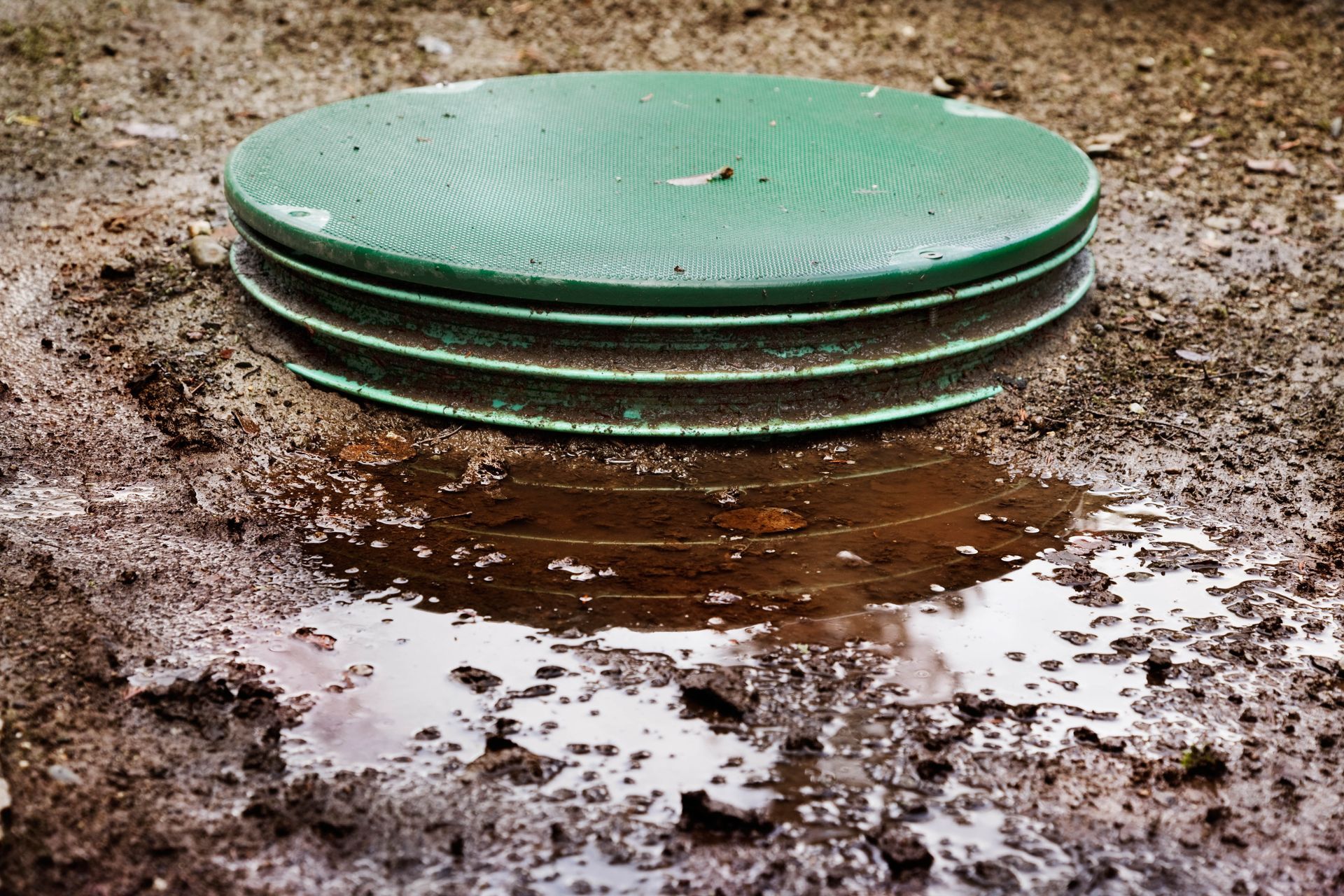
Understanding the capacity limitations of a septic system is vital for preventing overflows and ensuring its efficient operation. When a septic tank becomes overloaded, it leads to system overflows, which can cause severe damage to both property and the surrounding environment. Regular septic tank pumping helps manage the tank's capacity and prevent it from exceeding its limits. Overflows can be avoided by ensuring that the tank's liquid content is maintained below the recommended threshold. According to the EPA, a septic tank should be pumped if 25% or more of the liquid is scum and sludge. This guideline helps homeowners determine when their septic system requires maintenance to avoid overflow issues.
B. Avoiding Costly Spill Cleanups
Spill cleanups from septic system overflows are not only inconvenient but can also be incredibly costly. Routine maintenance reduces the likelihood of severe spills, helping homeowners save money in the long term. By managing the tank's content proactively through regular pumping, costly and disruptive cleanup operations can be avoided. Investing in routine septic pumping is a cost-effective strategy compared to dealing with the ramifications of a significant spill. Preventative maintenance protects both the homeowner's wallet and the integrity of their property.
C. Managing Infrequent High Water Usage
Occasional high water usage can put a strain on a septic system if it's already nearing capacity limits. Events like hosting gatherings or having additional guests can lead to increased water flow into the system. Scheduling regular septic pumping provides a buffer for times of unexpected high water usage. Homeowners can manage their system's capacity better, ensuring that occasional high usage periods do not lead to overflows. Ultimately, routine maintenance offers peace of mind, knowing that the system can handle variable water usage.
D. Minimizing Emergency Service Calls
Routine septic pumping significantly minimizes the need for emergency service calls, which can be expensive and stressful. Emergency situations often occur at inconvenient times, and finding immediate solutions can be challenging. Regular care ensures that the system functions well, reducing the likelihood of unexpected failures. By addressing potential issues proactively, homeowners can eliminate many situations that would otherwise lead to emergency service requests. Consistent maintenance thus not only serves as a preventive measure but also offers substantial savings in potential emergency service costs.
E. Significance of Early Detection of Problems
Early detection of minor issues can prevent them from becoming major, costly problems in a septic system. Routine pumping provides an opportunity for professionals to inspect the tank and associated components, identifying any concerns. Catching and fixing minor issues during routine checks avoids significant repairs down the line. Early interventions not only save homeowners money but also extend the system's lifespan. Proactive maintenance illuminates potential problems before they escalate, ensuring the long-term health and efficiency of the septic system.
2. Prolonging the Lifespan of the Septic System
A. Reducing Wear and Tear on Components
Septic system components experience natural wear and tear over time, exacerbated by neglect. Regular pumping reduces this wear and tear by maintaining the system at optimal operational capacity. By minimizing sludge and scum buildup, components like baffles and filters function more effectively. Routine maintenance ensures these components are not working harder than necessary, thus extending their lifecycle. Prolonged component life reduces long-term replacement and repair costs for homeowners.
B. Preventing Premature System Failures
Neglecting septic system maintenance often leads to premature failures, particularly when tanks are allowed to overflow or remain overly full. Regular pumping prevents blockages and backups that compromise system integrity. By keeping the system clean and free-flowing, premature breakdowns are less likely. Scheduled maintenance thus saves homeowners from the inconvenience and expense associated with unexpected system failures. A proactive approach to septic care supports a long-lasting, reliable waste management system.
C. Importance of Regular System Checks
Regular system checks are an integral component of routine septic maintenance. These inspections, conducted during pumping sessions, help identify necessary adjustments or repairs. Professional assessments can detect issues that a homeowner might overlook, such as mineral buildup or tank erosion. Regular checks ensure that everything is working as intended, safeguarding the overall health of the system. Ultimately, these routine inspections contribute significantly to minimizing avoidable problems and extending the lifespan of a septic system.
D. Maximizing System Efficiency
Scheduled septic pumping maximizes system efficiency by preventing blockages and backups that hinder operation. A well-maintained system allows for optimal processing of wastewater, ensuring it is treated and disposed of effectively. Efficient systems minimize the risk of contamination and overflow, enhancing the safety and functionality of both the home and surrounding environment. Regular pumping supports this efficiency, maintaining balance within the system and allowing for smooth operation. Overall, routine care contributes to a consistently effective waste management process.
E. Investing in Long-Term System Health
Investing in regular septic tank pumping is an investment in the long-term health of the entire septic system. Consistent maintenance practices minimize the risk of severe damage and costly repairs. Homeowners who prioritize their septic system's health end up saving money over time and preserving their property's value. Routine pumping serves as a proactive measure, safeguarding the system against potential failures. By investing in regular care, homeowners ensure their septic systems remain functional and efficient for many years to come.
3. Protecting the Environment
A. Preventing Groundwater Contamination
One of the most significant environmental benefits of routine septic tank pumping is the prevention of groundwater contamination. When a septic system becomes overloaded or malfunctions, untreated waste can seep into the ground, affecting local water sources. Regular pumping mitigates this risk by maintaining system integrity and ensuring waste is appropriately contained. Preventing contamination is crucial for environmental health, protecting drinking water sources for humans and wildlife alike. Routine maintenance helps sustain clean groundwater, benefiting communities and ecosystems.
B. Supporting Local Ecosystem Health
Protecting local ecosystems is an inherent responsibility for anyone with a septic system. Overflow and leaks from septic tanks can cause harm to plants, animals, and the surrounding environment. Routine pumping ensures waste does not escape the system, preserving the health of local ecological systems. By keeping septic systems well-maintained, homeowners contribute to the well-being of local wildlife and plant life. This commitment to eco-friendly practices supports biodiversity and environmental sustainability.
C. Reducing Soil and Water Pollution
Routine septic maintenance plays a vital role in reducing soil and water pollution, a growing environmental concern. Overflows from neglected systems can lead to untreated waste entering soil and water bodies, causing pollution. Regular pumping helps prevent this by ensuring septic tanks function properly and waste is adequately contained. By maintaining system integrity, homeowners reduce their environmental footprint. This proactive approach minimizes pollution, supporting efforts to preserve natural resources and protect the environment.
In conclusion, routine septic tank pumping goes beyond optimizing system efficiency; it plays a vital role in financial savings, environmental protection, and keeping a healthy home environment. Homeowners who prioritize regular septic maintenance enjoy a plethora of benefits that safeguard their investment and contribute positively to their community's ecological wellness. Be sure to reach out to Top Notch Sewer & Drain Cleaning, LLC today to learn more about our professional septic cleaner!