June 23, 2026
In this article, we will explore various tips for maintaining a healthy septic system, focusing on effective septic cleaner practices. By ensuring proper cleaning and maintenance, you not only extend the lifespan of your septic system but also save money on expensive repairs.
Understanding Your Septic System
Components of a Septic System
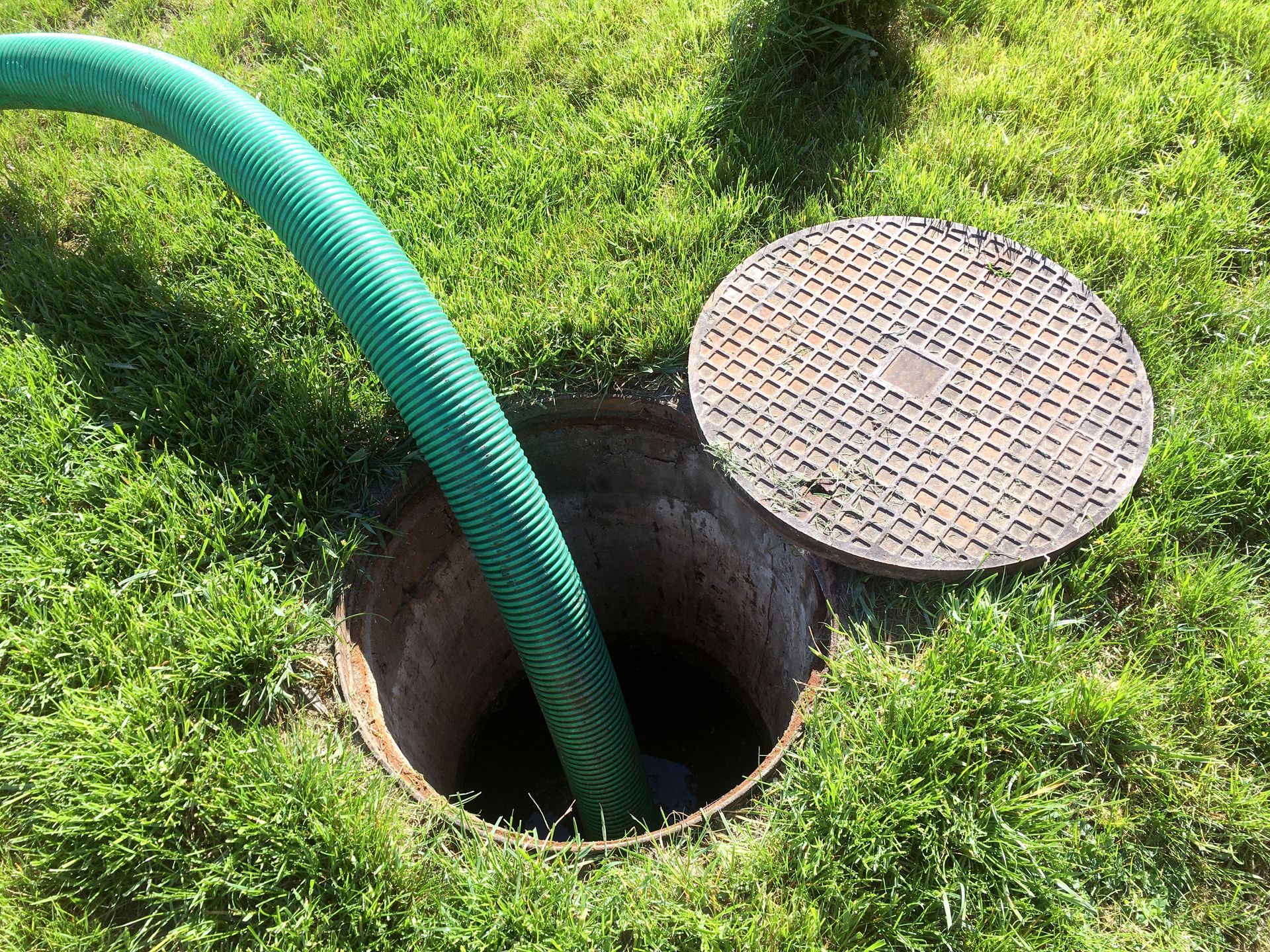
A typical septic system consists of three main components: the septic tank, the drain field, and the connecting pipes. Each element plays a significant role in treating and dispersing waste safely into the environment. The septic tank holds wastewater long enough for solids to settle down as sludge, while oils rise to form scum on the surface. The relatively liquid waste then flows into the drain field, where natural filtration processes work to treat the effluent. Without these components functioning harmoniously, problems like leaks and backups could disrupt your system's efficiency.
How Septic Systems Work
Septic systems operate primarily through a biological and physical process that deals with household waste. When wastewater enters the tank, the solids and liquids separate, with solids breaking down over time through bacterial activity. The clarified liquid waste proceeds to the drain field, where it percolates through the soil, naturally filtering before reaching the groundwater. This entire process mimics nature's wastewater recycling methods, only facilitated in a controlled environment on your property. It's crucial to understand this process because improper usage can upset the delicate bacterial balance critical for breakdown and filtration.
Common Problems in Septic Systems
Like any other household system, septic systems are prone to issues that can arise from neglect or misuse. Common problems include clogs, due to the buildup of materials that shouldn't be disposed of in drains, and leaks from cracks in the tank or damaged pipes. Additionally, overflow issues often indicate that the system is overburdened and needs some maintenance or pumping. Frequent problems can also be attributed to heavy water usage or failure to conduct regular inspections and cleanings. Understanding these potential issues allows homeowners to adopt preventative measures to minimize risk and maintain system integrity.
Importance of Regular Maintenance
Regular septic system maintenance is crucial to prevent costly repairs and ensure long-term functionality, with the lifespan typically extending over 25 years, according to Home Grail. Maintenance involves scheduled inspections to assess the tank's condition, ensuring efficiency through timely pumping and the use of effective septic cleaners. Periodic maintenance helps in identifying issues early, saving on extensive repairs if problems go unnoticed. This practice also aids in reinforcing the bacterial balance necessary for decomposition within the system. Ultimately, investing in regular maintenance guarantees that your septic system functions optimally for years.
Choosing the Right Septic Cleaner
Types of Septic Cleaners
Septic cleaners come in various compositions, including bacterial, chemical, and enzyme-based formulations. Bacterial cleaners introduce beneficial microorganisms into your septic tank, enhancing natural digestion of organic matter. Chemical cleaners, often comprising harsh agents, are known for their efficacy in cleaning but carry a risk of disrupting the tank's bacterial balance. In contrast, enzyme-based cleaners break down solids into smaller particles, promoting easier bacterial digestion without harsh chemicals. Understanding these different types helps in selecting the right product tailored to your system's needs and environmental concerns.
How to Read Product Labels
Understanding product labels is essential for making informed decisions about septic cleaners. Labels contain key information about active ingredients, which can inform you about the cleaner's methodology and suitability for your system. Pay attention to claims regarding efficacy, compatibility with septic systems, and any environmental certifications. Knowing how to decode these labels ensures you choose a cleaner that aligns with your maintenance goals and environmental values. Additionally, be wary of strong warning labels, which may indicate potential harm to your septic system or the broader environment.
Professional Consultation
While consumer insights are beneficial, consulting with septic system professionals provides expert advice tailored to your specific setup. Professionals can offer recommendations based on their extensive experience and technical knowledge, suggesting products proven effective in similar scenarios. They bring attention to products that ensure system longevity and optimal function, crafted to fit particular septic designs and environmental influences. Additionally, engaging professionals for cleaner selection minimizes the risk of adverse interactions with your system's natural processes. This expert consultation also provides broader maintenance insights, enhancing your understanding of holistic septic care.
Applying Septic Cleaner Properly
Step-by-Step Application Process
Proper application of septic cleaners involves several steps that ensure efficacy and safety. Begin by reading the product instructions thoroughly to understand any specific considerations or warnings. Some cleaners may require dilution, while others are ready to use directly from the packaging. Pour the product into a designated toilet or sink, flushing thoroughly to ensure the cleaner reaches the septic tank. Allowing sufficient time for the cleaner to activate and disperse within the system is crucial.
Safety Measures When Using Cleaners
Ensuring safety during septic cleaner application is critical, both for personal and system protection. Always wear appropriate protective gear, including gloves and eyewear, to avoid direct contact with chemicals. Ensure proper ventilation when handling any cleaner to minimize inhalation of fumes or particles. Be cautious not to mix different cleaners, as chemical interactions could lead to hazardous reactions and compromise your system's efficacy. Keep septic cleaners stored in a safe location, reducing the risk of accidental spills or access by children and pets.
Common Mistakes to Avoid
Avoiding common missteps when using septic cleaners ensures your system remains healthy without unnecessary setbacks. One frequent mistake is using excessive amounts of cleaner, which can disrupt the system's natural biological activity. Many homeowners also neglect the importance of choosing the right cleaner type, inadvertently selecting harsh chemicals that damage beneficial bacteria. Additionally, failing to incorporate regular maintenance routines can render septic cleaner applications ineffective, leading to recurring issues. Awareness of these potential pitfalls fosters a more effective and sustainable septic maintenance strategy.
Seeking Professional Assistance
When to Call a Septic Professional
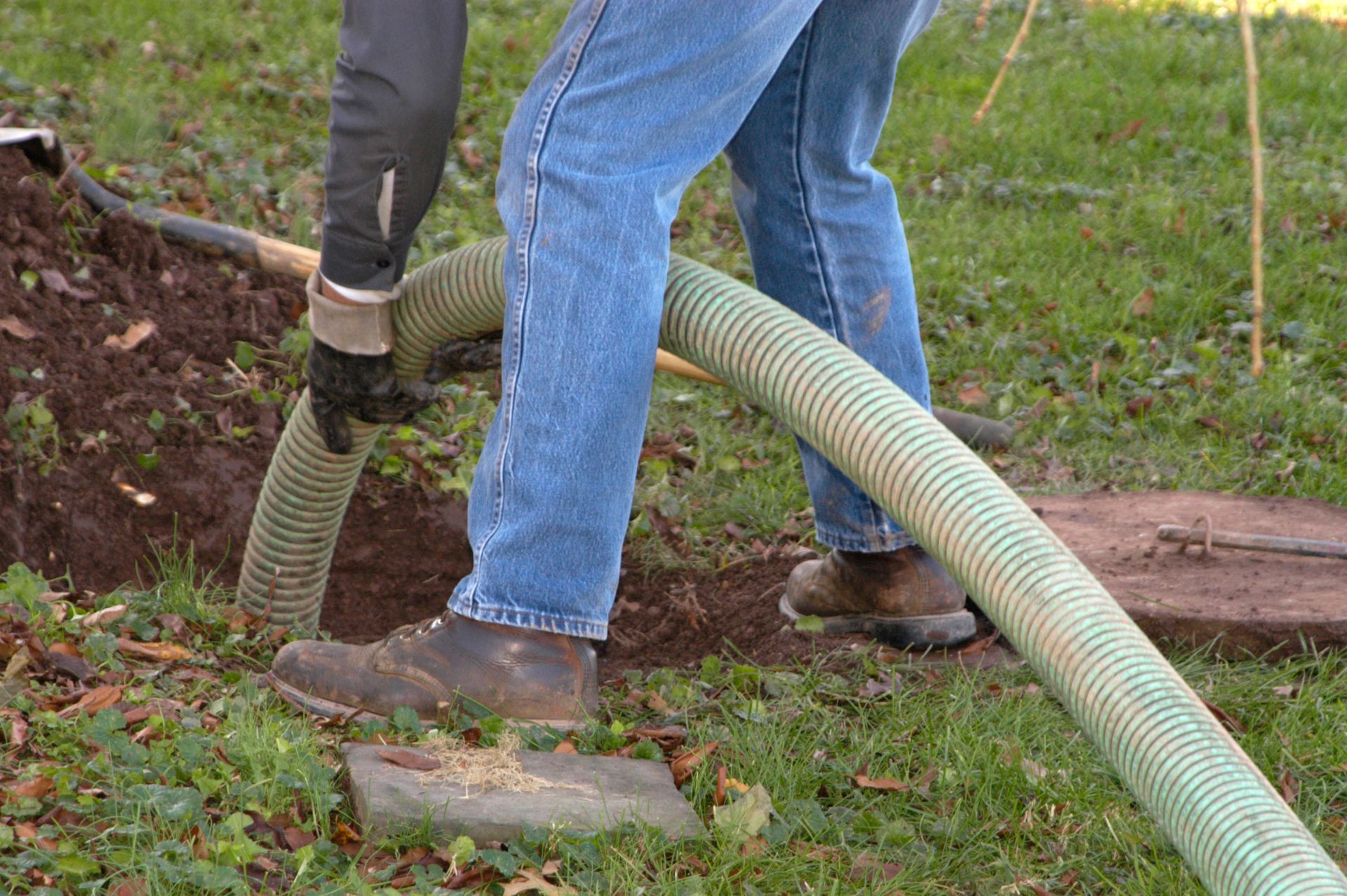
Recognizing situations that necessitate calling a septic professional is crucial for timely problem resolution. Persistent issues like recurring backups, major leaks, or obvious breaches in the tank structure should be addressed by experienced technicians. Additionally, seeking professional inspections at regular intervals ensures hidden problems are identified and resolved before escalating into costly repairs. Technicians provide valuable maintenance insights and cost considerations, offering tailored recommendations for your unique system configuration. Prompt professional intervention is key to maintaining optimal system performance, minimizing disruptions, and safeguarding long-term septic health.
Questions to Ask Your Service Provider
Asking pertinent questions before hiring a septic service provider sets the foundation for informed decision-making and clear expectations. Inquire about technician experience, licensing, and potential recommendations based on their system evaluations to gauge qualification readiness. Request a breakdown of proposed service actions, including time frames and cost estimates, ensuring transparency and mutual understanding. Clarify the provider's approach to maintenance and compatibility considerations, assessing how aligned they are with your specific septic needs. These proactive inquiries demonstrate diligence in service selection and support frameworks for securing dependable, professional commitment in the care of your septic system.
Long-term Relationship with a Septic Expert
Establishing a long-term relationship with a septic expert fosters a partnership grounded in mutual understanding and trust, enhancing system health through shared knowledge. Continuous engagement with an expert ensures your septic system receives consistent attention, benefiting from their ongoing familiarity with its unique operational nuances. This relationship elevates maintenance interactions to tailored consultations, optimizing strategies based on historical performance and emergent needs. Regular exchanges of information empower homeowners through education on best practices and evolving technologies. Forming such lasting collaborations foregrounds system longevity, ensuring access to informed, dedicated service through all phases of septic management.
Maintaining a healthy septic system involves a diligent approach to cleaning and regular maintenance, securing both functionality and environmental responsibility. Through informed septic cleaner selection, attentive application practices, and strategic professional consultations, homeowners can ensure their systems operate efficiently and sustainably. If you want to learn more about balancing water and waste management strategies with routine assessments, contact our team at Top Notch Sewer & Drain Cleaning, LLC today!